Garrett Dixon’s Story of Biodiversity and Resilient Farming in Alabama
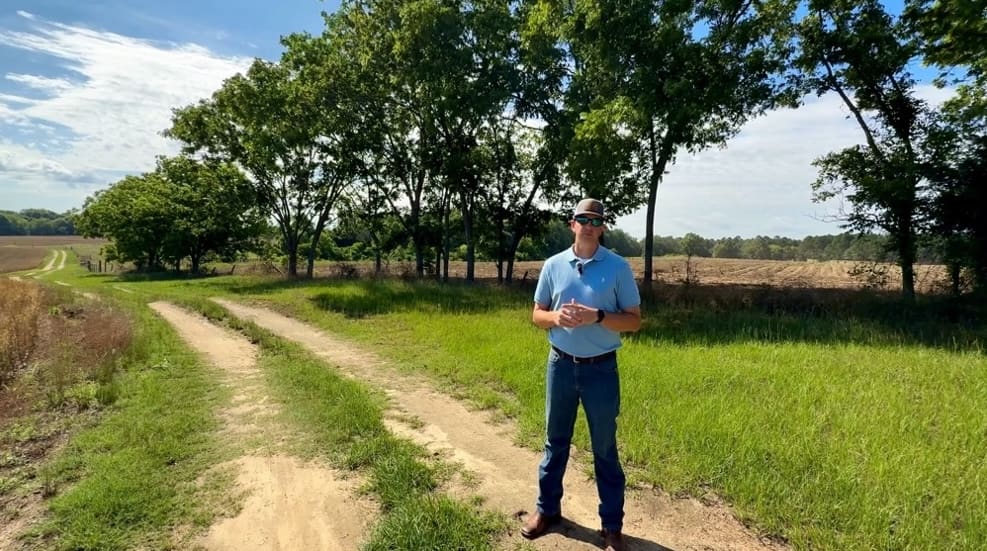
For Garrett Dixon in east Alabama, one of the clearest signs of healthy land isn’t just in the crop; it’s in the wildlife. Through his efforts, he is helping create a more balanced and resilient farm ecosystem.
Since adding additional cover crops and protecting habitat around the farm, Garrett has seen quail return to the fields, a small but meaningful sign that the land is supporting more than cotton and peanuts.
“My personal favorite is helping keep quail habitat around on our farm,” Garrett says. “It’s something special, early in the morning and late in the evening, to hear the quail calling.”
For Garrett, that balance matters. On a farm where most acres depend on natural rainfall, every decision has to count. Weather is always part of the equation, and hot, dry conditions can quickly put pressure on both cotton and peanut yields. To stay ahead of those challenges, Garrett relies on cover crops, precision agriculture, and a careful approach to soil health that helps him conserve moisture and protect the land for the future.
Building on Details
In Garrett’s operation, even small changes can make a big difference. One example is the way he plants cotton in 36-inch rows and shifts over each year by half the row width so he isn’t planting directly on last year’s stalks. That adjustment helps create a better seedbed and gives cotton seedlings a stronger start.
He uses that same attention to detail throughout the operation, relying on precision agriculture technologies to place inputs where they are needed and avoid waste.
“We make sure we’re using the right source at the right rate, at the right time, and the right place,” Garrett says. “So, we’re not being wasteful and not using more than we need to grow a good crop.”
In a mostly non-irrigated system, that kind of efficiency is essential. He also places crop protectants directly in the seed trench during planting to support early-season growth and root development. In a region where drought can stress crops quickly, getting roots established early is valuable.
From the Ground Up
Garrett puts a strong emphasis on soil health and moisture conservation because so much of the farm depends on rainfall. Cover crops help protect the ground, reduce erosion, and hold water in the soil longer. Paired with other natural areas around the farm, cover crops also help create the kind of cover quail need to brood and stay protected, supporting biodiversity and natural wildlife.
With living roots in the field for much of the year, the farm is better able to absorb rainfall when it comes and retain moisture when it doesn’t. That matters in east Alabama, where the weather can swing from dry heat to heavy rain or even hurricane threats in the fall.
Over time, the system builds healthier soil and better structure. Residue from previous crops breaks down into organic matter, creating a more productive seedbed and helping support future crops.
“All of that leads us to a good light and fluffy soil,” Garrett says. “The better our soil is, the better crops we can grow with less inputs.”
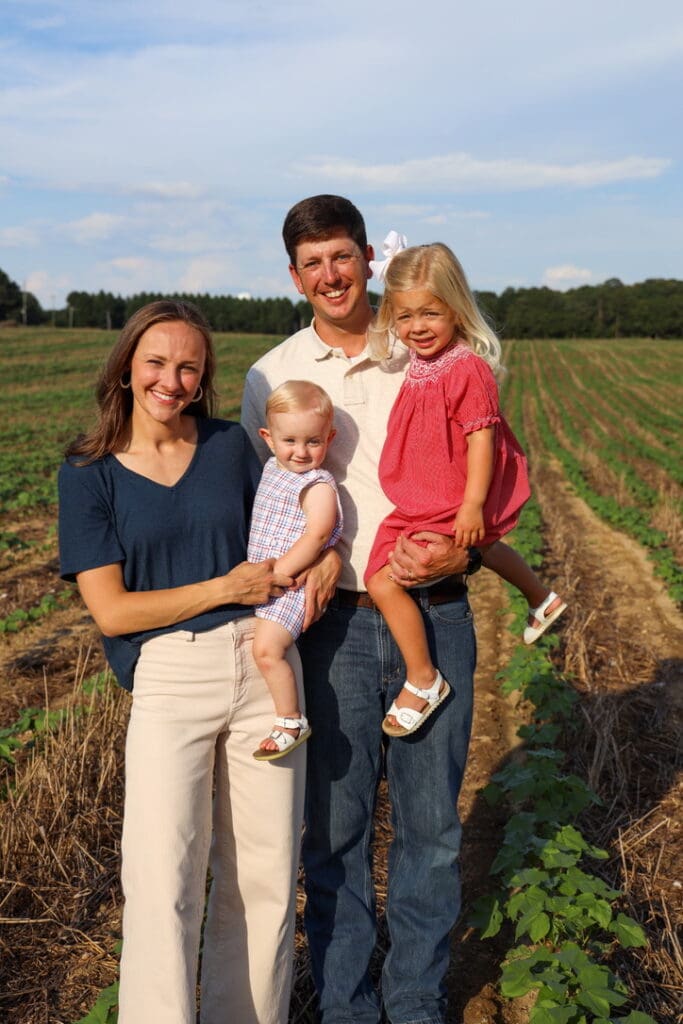
For Garrett Dixon, farming is about more than producing a crop. It’s about making smart decisions that add up to a stronger future that is ready for the next generation.
Why U.S. Cotton Matters
Garrett believes in the value of U.S. cotton and the role it plays in supporting local communities and responsible production. To him, U.S. cotton stands out not only for its quality, but for the way it is grown with care and accountability.
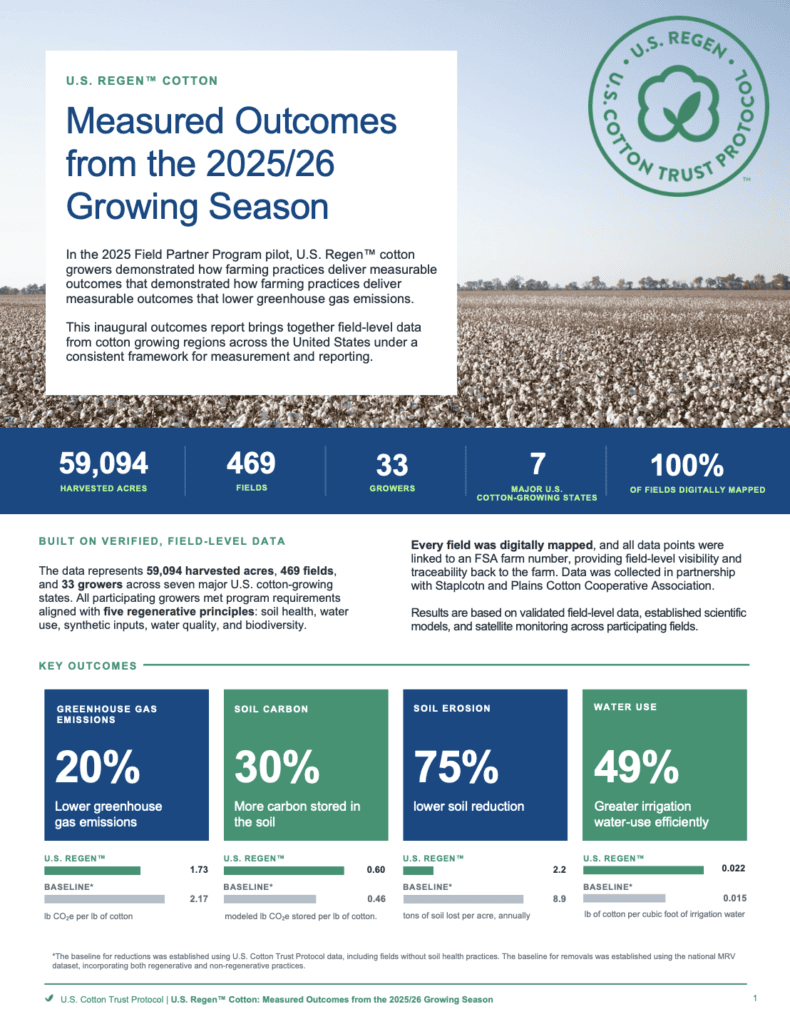
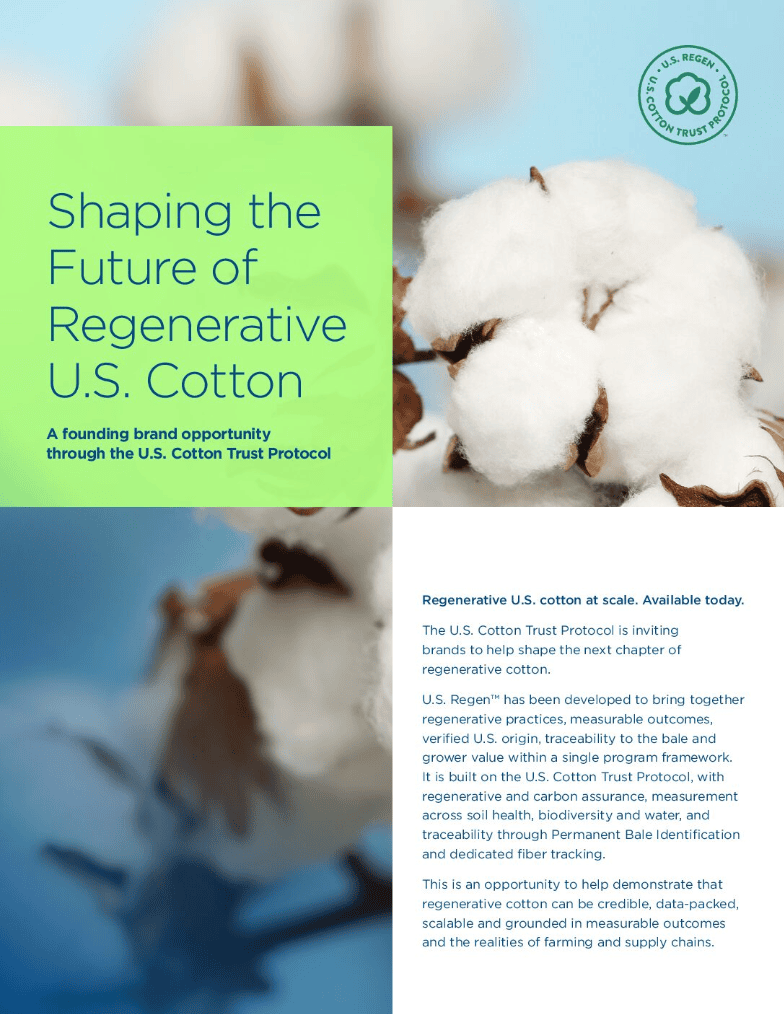
He also sees the U.S. Cotton Trust Protocol as an important tool for demonstrating what is happening on the farm. By providing verifiable data, it helps show the beneficial practices already in place and gives brands and retailers confidence in the cotton they source.
For Garrett, that goes beyond cotton. It’s also reflected in the wildlife that has returned to the farm and thrives in the cover crops and natural habitat around his fields. He’s focused on protecting the land for the future, with biodiversity playing an important role alongside crop production. For him, it’s about adapting to uncertainty, protecting the land, and carrying forward a family legacy.