There are some things you simply cannot experience through a screen. Walking through a cotton field with a grower. Seeing the scale of a warehouse filled with U.S. Cotton. Following the journey from the farm through processing, storage and classification.
The 2026 U.S. Cotton Trust Protocol Farm Tour in Memphis, Tennessee, gave brands and retailers a firsthand look at the people, practices and processes behind U.S. cotton production and the U.S. Cotton Trust Protocol.
Over the course of the tour, conversations about sourcing, sustainability, regenerative agriculture, data and traceability moved beyond presentations and reports. Attendees heard directly from growers and industry experts, asked questions along the way and followed cotton through some of the early stages of the supply chain.
Behind U.S. Cotton
The tour began at the National Cotton Council, where attendees received an introduction to the U.S. cotton industry.
Sessions explored the different segments of the raw cotton industry, the roles of cooperatives and merchants, and how the National Cotton Council, Cotton Council International and the U.S. Cotton Trust Protocol work within the broader U.S. cotton industry. Attendees also took a deeper look at the U.S. Cotton Trust Protocol, including grower enrollment, program requirements, verification, sourcing and U.S. Regen™.
These conversations set the stage for the rest of the tour, providing important context before attendees experienced different parts of the supply chain firsthand.
A Closer Look
For brands and retailers navigating increasingly detailed sustainability goals, the tour provided a chance to dig deeper into the information behind the U.S. Cotton Trust Protocol and speak directly with the people working the program.
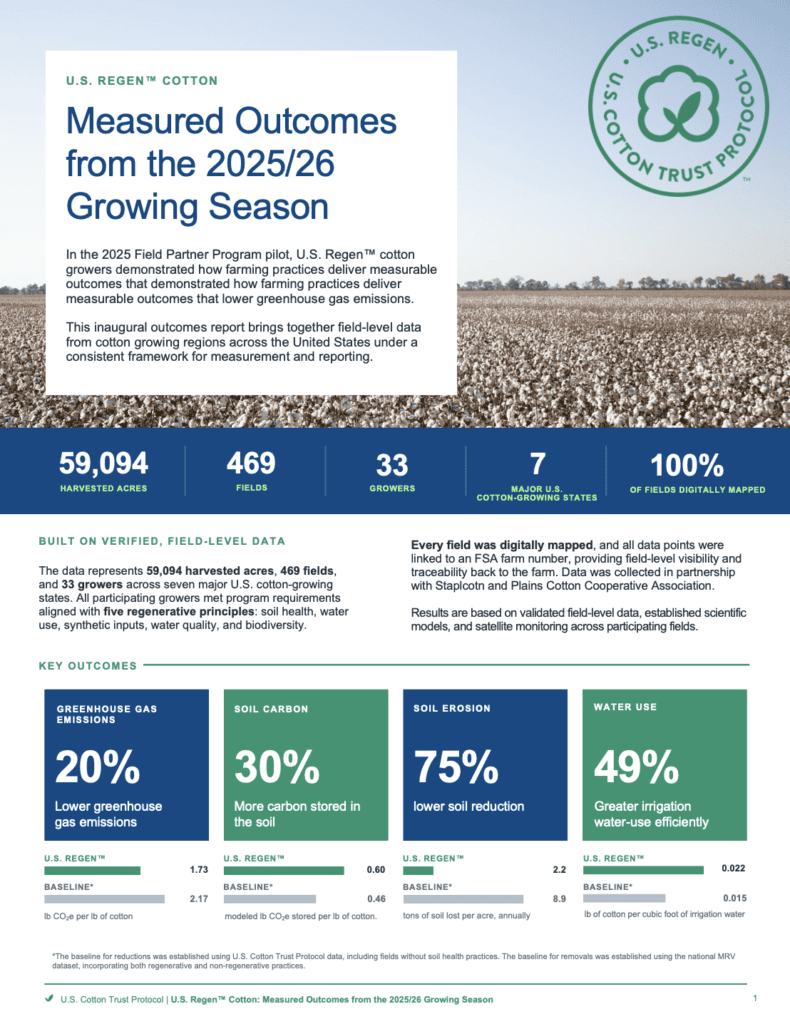
Discussions covered how field-level data can support continuous improvement on the farm, regenerative agriculture within the program, worker well-being requirements, and how data may be used by brands and retailers in marketing claims and reporting. Participants also received a sneak peek at 2025/26 U.S. Regen™ outcomes.
From there, the conversation moved to the farm.
At White Flye Farms at the Judd Hill Foundation, attendees heard directly from grower Jesse Flye about the decisions that shape a growing season. The discussion ranged from sustainable growing practices and regenerative agriculture to continuous improvement and the role technology can play on the farm.
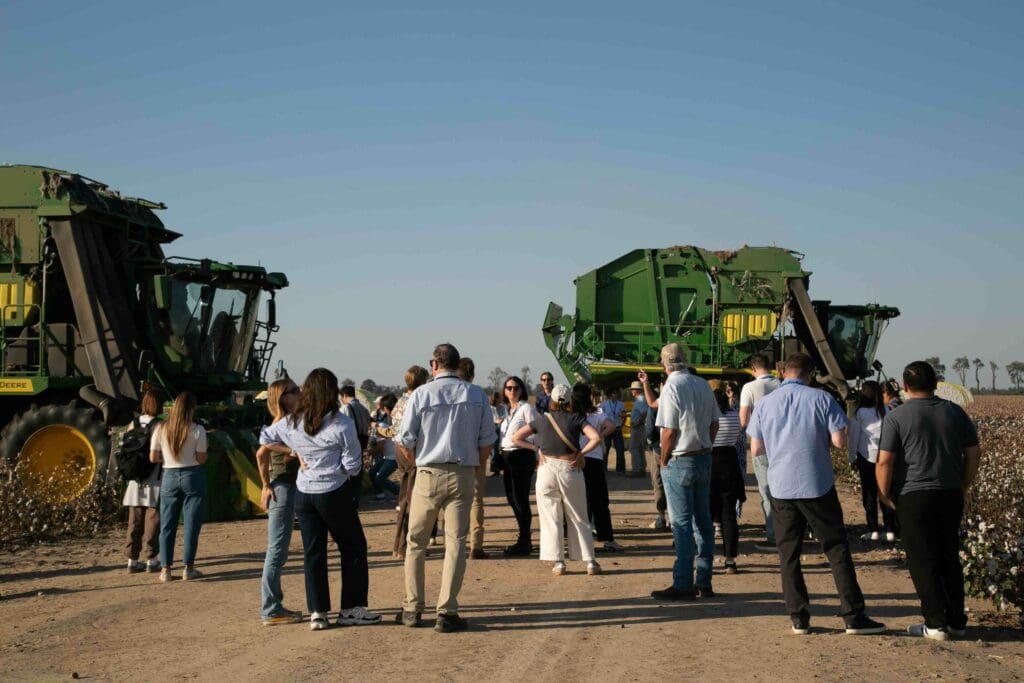
Being in the field brought those earlier conversations into focus. Participants could see the crop up close and learn more about harvest, including the cotton picker and technology used in the field, while asking questions directly and hearing the thinking behind decisions made throughout the season.
“One of the most meaningful parts of the Farm Tour is for attendees to spend time with our growers and see the passion and dedication they bring to their farms every day,” said Marjory Walker, Co-Director of the U.S. Cotton Trust Protocol. “Our growers are deeply committed to continuous improvement, and there’s something incredibly valuable about being in the field, hearing directly from them and seeing that commitment in action.”
Beyond the Farm
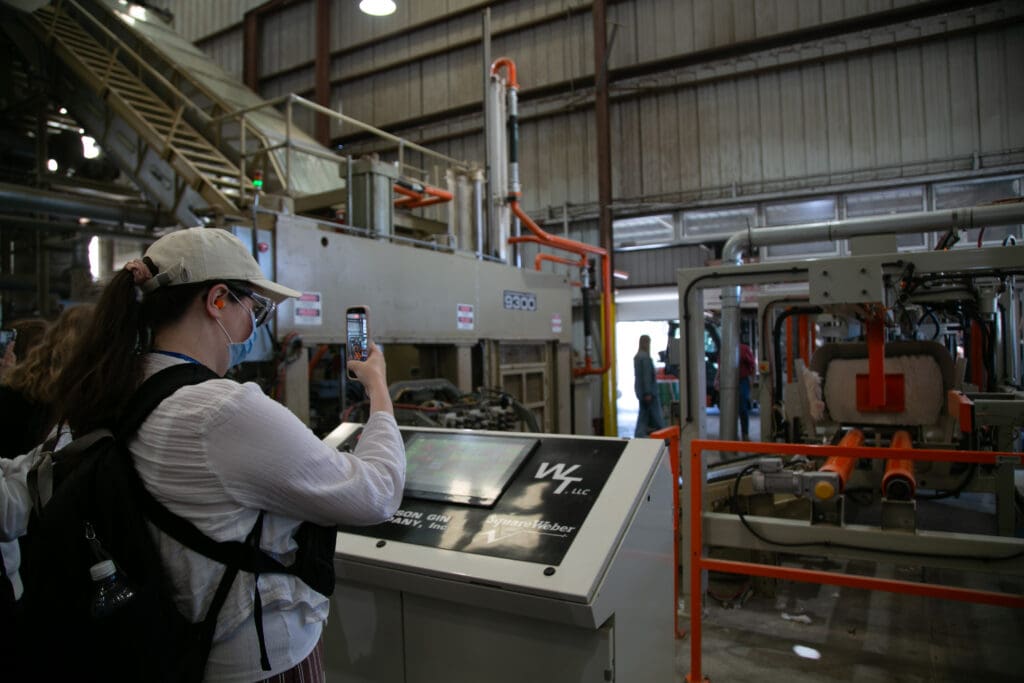
From the farm, the tour continued through a cotton gin and warehouse before reaching the USDA Agricultural Marketing Service Cotton Division, providing participants a closer look at how U.S. cotton is cleaned, stored and classified after harvest.
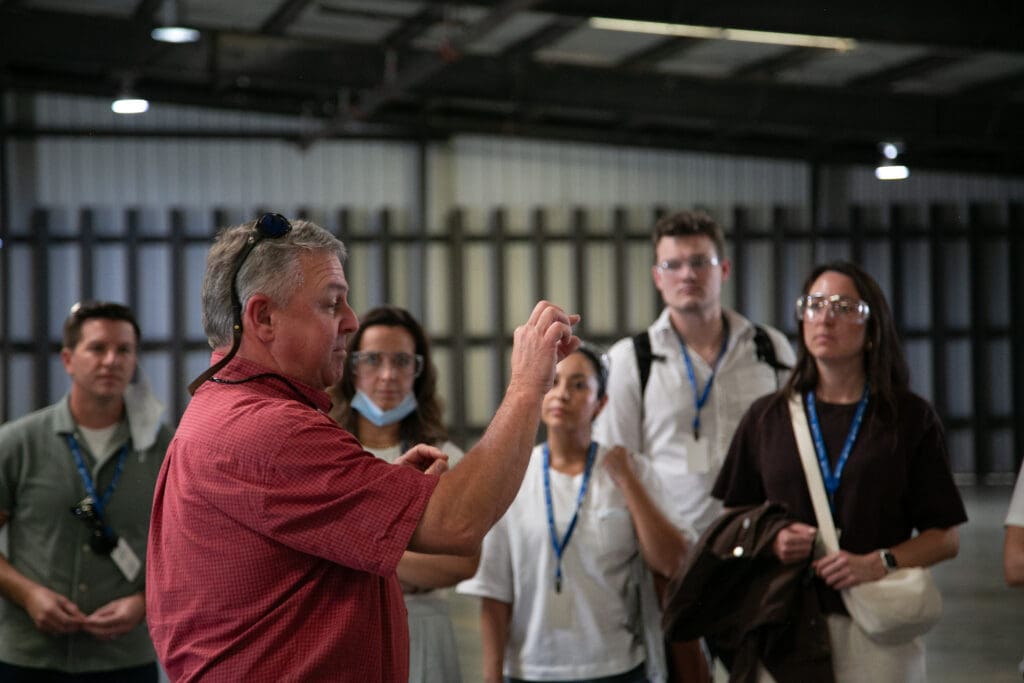
“From conversations with growers to visits across the cotton supply chain, the Farm Tour offered attendees an opportunity to see how cotton production comes together beyond the data points and reports,” said Liz Hershfield, Co-Director of the U.S. Cotton Trust Protocol. “That broader perspective can help inform their own cotton sourcing and sustainability efforts.”
Bringing It All Together
Presentations and reports can explain field-level data, sustainability outcomes and traceability. The Farm Tour allowed participants the chance to experience those pieces come together.
The brands and retailers who made the trip to Memphis left with additional context they can carry into their own conversations about cotton sourcing, sustainability and traceability.